
The logistics sector in Africa has always been critical to the continent’s economic engine, facilitating the movement of goods across borders, from ports to rural markets, and everything in between. But 2025 marks a turning point. As infrastructure gaps remain and customer expectations rise, technology becomes the great equaliser.
From AI-powered operations to real-time visibility, the continent is experiencing a digital awakening in logistics, driven by startups, multinationals, and policy shifts alike.
Here are the six key logistics tech trends that are set to reshape the African supply chain in 2025 and beyond:
1. AI-Powered Route Optimization and Predictive Logistics
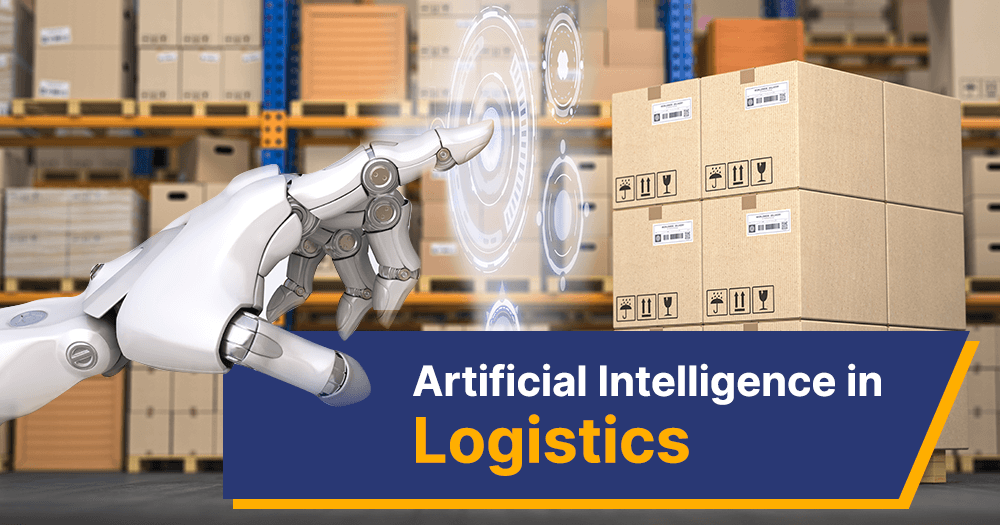
As logistics networks grow more complex, companies are increasingly relying on Artificial Intelligence (AI) and machine learning to make smarter, data-driven decisions.
- Route optimization – AI-powered tools consider multiple factors — traffic, weather, road conditions, and driver behaviour to recommend the fastest, safest, and most fuel-efficient routes.
- Predictive logistics uses historical data and live tracking to estimate arrival times more accurately, optimise fleet use, and preempt delays before they happen.
Why It Matters for Africa:
In markets where road infrastructure is often unpredictable, AI-driven logistics systems can create major cost savings and improve on-time delivery rates, especially across inter-state and cross-border trade corridors.
2. Aggregated Warehousing & Smart Storage Platforms
In many African countries, warehouse space is both underutilized and unevenly distributed. Meanwhile, businesses — from FMCGs to agricultural exporters — struggle with storage flexibility and cost.
This gap is being addressed by aggregated warehousing platforms, which:
- Connect multiple independent warehouse owners to businesses in need of storage.
- Provide visibility into real-time availability, pricing, and capacity.
- Layer in technology like RFID, IoT sensors, and digital inventory systems.
Why It Matters:
This model allows businesses to scale logistics without investing in physical infrastructure and improves distribution agility. For warehouse owners, it unlocks monetization opportunities and higher occupancy rates.
3. Digital Freight Matching (DFM)
Truck capacity often goes underutilized due to the informal nature of freight booking in Africa. Digital Freight Matching platforms are solving this by:
- Connecting shippers directly with vetted, available carriers in real-time.
- Providing price transparency, ETA tracking, and ratings for reliability.
- Reducing “deadhead” trips (empty returns) improves sustainability and cost efficiency.
Why It Matters:
DFM is helping to eliminate inefficiencies in Africa’s fragmented road freight ecosystem, where over 70% of cargo moves via roads. It also increases trust in logistics by offering visibility, accountability, and ease of use through mobile-first interfaces.
4. IoT-Enabled Supply Chain Visibility
The rise of Internet of Things (IoT) devices in fleet and warehouse management is giving businesses an unprecedented window into the status and movement of goods.
From temperature sensors in cold chain logistics to GPS-enabled fleet telematics, companies are now able to:
- Track the exact location and condition of a cargo.
- Monitor driver behaviour and fuel consumption.
- Receive alerts for delays, theft, or maintenance needs.
Why It Matters:
This level of visibility is critical for sectors like pharmaceuticals, agriculture, and food & beverage, where spoilage or delivery uncertainty can cost millions.
5. Green Logistics & Fleet Electrification
As sustainability goals take centre stage globally, Africa’s logistics players are not left behind. In 2025, there’s a growing movement toward green logistics, including:
- Electric vehicle (EV) adoption for last-mile delivery in urban areas.
- Carbon footprint tracking across the supply chain.
- Solar-powered micro-warehouses and eco-friendly packaging.
Why It Matters:
Countries like Kenya, Nigeria, and South Africa are offering incentives for clean energy logistics solutions. Embracing green logistics not only supports compliance and reputation but also attracts global partners and climate-conscious investors.
6. API-First Logistics & Platform Integrations
In today’s digital economy, integration is the new infrastructure. Logistics providers are moving toward API-first systems that enable:
- Real-time order and inventory syncing with customer platforms.
- Embedded delivery scheduling in eCommerce checkouts.
- Instant shipment updates and digital proof of delivery.
Why It Matters:
For businesses using ERPs, CRMs, or online ordering systems, logistics that “plugs in” seamlessly reduces friction and enhances the end-user experience. It’s what enables a modern, Amazon-like supply chain experience in African markets.
Final Thoughts: Building Smarter, Faster, Greener Supply Chains
The logistics tech trends emerging in Africa are not about copying the West. They are about adapting innovation to local realities and solving region-specific problems with scalable, digital-first solutions.
In 2025 and beyond, success in logistics will be defined not just by who moves goods the fastest, but by who moves with intelligence, transparency, and sustainability.
Ready to Future-Proof Your Logistics Operations? Contact JLO Transit today.